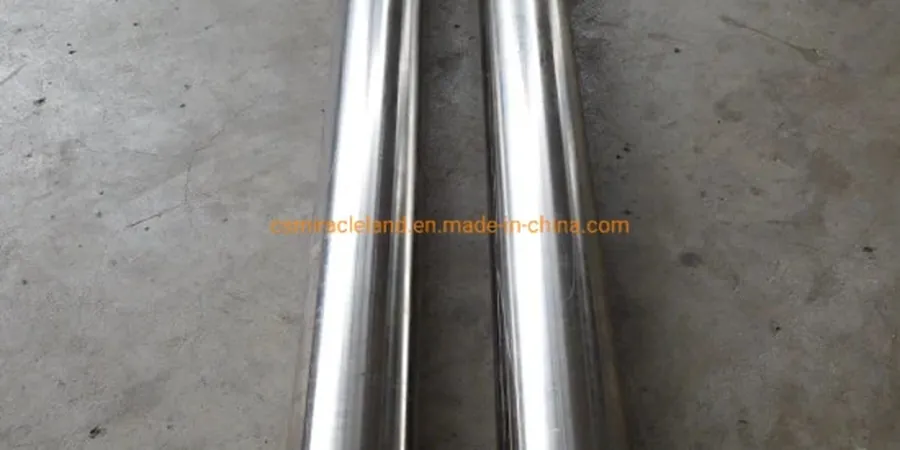
We deploy a hydraulic push rig to extract undisturbed soil cores using thin-walled Shelby tubes, a method we've refined across Auckland's varied geology. The rig applies steady, vibration-free pressure to drive a 50 mm to 75 mm diameter tube into the soil, preserving the natural structure and moisture content. This technique is essential for obtaining reliable parameters for settlement analysis and foundation design. Before sampling, we often run a calicata exploratoria to log the stratigraphy and select the exact sampling depth. Each tube is sealed immediately with wax and transported vertically to the lab, minimizing disturbance.
A 75 mm Shelby tube sample from Pakuranga clay gave us the consolidation parameters that cut foundation settlement predictions by half.
Method and coverage
Auckland's rapid urban expansion over the past two decades has pushed developments onto marginal land, from reclaimed waterfronts in the Viaduct Basin to steep volcanic slopes in the eastern suburbs. These sites demand a thorough understanding of soil behavior under load. Undisturbed sampling allows us to measure true shear strength, compressibility, and consolidation characteristics. We follow NZS 4407:2015 for tube dimensions, clearance ratios, and area ratios to ensure sample quality. In soft clays, we combine Shelby tube samples with ensayo CPT soundings to correlate continuous profiles with discrete lab data. The result is a calibrated geotechnical model that reduces design uncertainty.
Technical reference image — Auckland
Regional considerations
The humid coastal climate of Auckland, with annual rainfall exceeding 1,200 mm, poses a constant risk of moisture change during sampling. Even a ten-minute delay in sealing can alter the natural water content of sensitive clays. We operate with a strict protocol: tube extraction, wax sealing, and labeling must happen within two minutes of retrieval. Additionally, the volcanic soils common in the central isthmus contain scoria layers that can damage the tube edge. We pre-auger through coarse material to protect the thin-walled sampler and ensure a clean, undisturbed core.
Hydraulic push sampling using 50 mm or 75 mm thin-walled tubes. We log each run, measure recovery ratio, and photograph the core before sealing. Suitable for soft to firm clays, silts, and fine sands.
02
Sample Preservation & Transport
Immediate wax sealing, cushioned transport in rigid crates, and temperature-controlled storage. Our system ensures samples arrive at the lab with less than 0.5% moisture loss.
03
Laboratory Testing on Undisturbed Samples
Consolidation (oedometer), triaxial (UU, CU, CD), and direct shear tests directly on the recovered core. Results are delivered with full stress-strain plots and settlement predictions.
This service complements our laboratory testing work for a complete project analysis.
Standards that apply
NZS 4407:2015 – Methods of sampling and testing soils, NZS 4402 – Standard Practice for Thin-Walled Tube Sampling, NZGS 2016 – NZ Geotechnical Society guidelines for sample disturbance
Process video
FAQ
What is the difference between undisturbed and disturbed sampling?
Undisturbed sampling preserves the in-situ soil structure, void ratio, and moisture content. Disturbed sampling (e.g., from a split-spoon) only provides grain size and classification data. For settlement and strength parameters, you need undisturbed samples.
How deep can a Shelby tube sample reach in Auckland?
In typical Auckland clays and silts, we can push a Shelby tube to 30 m depth using a hydraulic rig. In gravelly layers or volcanic scoria, we limit depth to 15 m to avoid tube damage and sample disturbance.
How much does undisturbed sampling cost in Auckland?
The typical range for Shelby tube sampling is NZ$720 to NZ$1,770 per sample, including field extraction, sealing, and basic classification testing. Volume discounts apply for projects requiring more than 10 samples.
What types of soil are suitable for Shelby tube sampling?
Shelby tubes work best in cohesive soils: clays, silty clays, and fine silts. They are not suitable for sands, gravels, or cemented layers. For those materials, we recommend SPT or block sampling instead.
How long does it take to get lab results from undisturbed samples?
Standard turnaround is 10 to 15 business days from sample receipt. Consolidation tests take longer because they require incremental loading over several days. We can prioritize for an additional fee.